
Rope & the Knot
The knot is the smallest unit of the practice and the place all of it lives, taught as devotion to the mundane, ten thousand times until it becomes who you are.
by CraigJustCraig
A word before we start.
The other guide, Rope and Anatomy, is about the body you put rope on. This one is about the rope, and the hands, and what you do with both of them ten thousand times until it becomes who you are. Read that one first if you haven't. The body comes before the knot.
Now, the knot.
Most people want the suspension. The dramatic shape, the photograph, the gasp. They skip the part where you tie the same overhand knot until your fingers know it in the dark. That part is the practice. Everything else is what the practice produces.
This is a guide to the foundation. The named knots, the handling, the rope itself and how to care for it. And underneath all of it, a way of working that treats the smallest, most boring motion as sacred. Because it is.
Let me show you what I mean.

Chop Wood, Carry Water
There's an old line about enlightenment. Before, chop wood, carry water. After, chop wood, carry water. The work doesn't change. You do.
Rope is the same. The masters are tying the same knots you tie on day one. They've just tied them for years longer. There is no secret technique waiting at the top. There is the overhand knot, the square knot, the lark's head, and the patience to fall in love with them.
I teach this as devotion to the mundane. Discipline, routine, unwavering attention to the basics. Not because someone is forcing rules on you. Because the discipline is yours, an expression of your own will, and when it's yours it feels good to keep.
Mastery is not found in the outcome. It is found in falling in love with the process of becoming great.
The Philosophy Behind the Rope, by CraigJustCraig
The goal is congruence. Body, mind, and spirit aligned in desire and in purpose. The old traditions had a word for the path to that, asceticism, and I call my version erotic monasticism. You dedicate yourself to a daily routine. You follow the rules you chose. You quiet the mind until it's still enough to hear what the rope is telling you.
Let rope become woven into your week. Study it. Practice it. Reflect on it. To do this work without respect, focus, and discipline is to drain it of the power it carries.
The Named Knots
Start here. These are the knots you'll meet again and again, and the backbone of everything past them.
The Overhand Knot
The first knot, the simplest, the seed of most others. You'll tie it more than any single thing in rope. Learn it until it has no thought attached to it.
The Square Knot
Two overhands, reversed against each other. It lies flat, it holds, and it tells you immediately when you've tied it wrong, because the wrong version sits crooked and slips. The square knot teaches you to read a knot by its shape.
The Lark's Head
A hitch, a way of catching the rope onto a bight or a ring so it grips itself. The lark's head is how rope holds to a point. Once you see it, you'll see it everywhere in the work.
The Somerville Bowline
A foundational tie-off for the chest, named for its maker. It's a fixed loop that won't collapse under load, which is exactly what you want at the front of a harness. This is where foundational knots start to become structure.
You do not get to skip these. For anyone reaching toward advanced study, proficiency in basic ground rope is the non-negotiable floor. There is no door past it.

Tension, Stick, Dressing, Throwing
Knowing a knot's shape is not the same as having it in your hands. Four things turn knowledge into skill. Practice all four until they leave your conscious mind.

These are the scales. You run them not to perform them but to forget them, so that when you're in front of a person the rope is already obedient and your attention is free to be with them.
Repetition Is the Whole Thing
Here is the secret nobody wants, because it isn't glamorous. You tie the same knot until you stop thinking about it. Then you keep tying it.
The first stage is conscious. You watch your hands, you check the shape, you fumble. Tie it enough and the knot drops below thought into the body, into muscle memory, and your hands begin to know it without you. Tie it well past that and it becomes embodiment. You aren't thinking about the knot at all. You're with the person, the breath, the room, while your hands do the thing they've done more times than you could count.
Knots are taught through repetition, repetition, repetition. Learn them in darkness, learn them in silence. Tie them blindfolded, one hand bound.
So practice with intention, and make it harder on purpose.
- Tie blindfolded.
- Tie with one hand.
- Tie in the dark, behind your back, while you talk to someone.
- Refine the technique and the muscle memory until the knot survives any condition you throw it into.
Repetition, repetition, repetition. That's it. That's the secret nobody wants because it isn't glamorous. It's chopping wood.
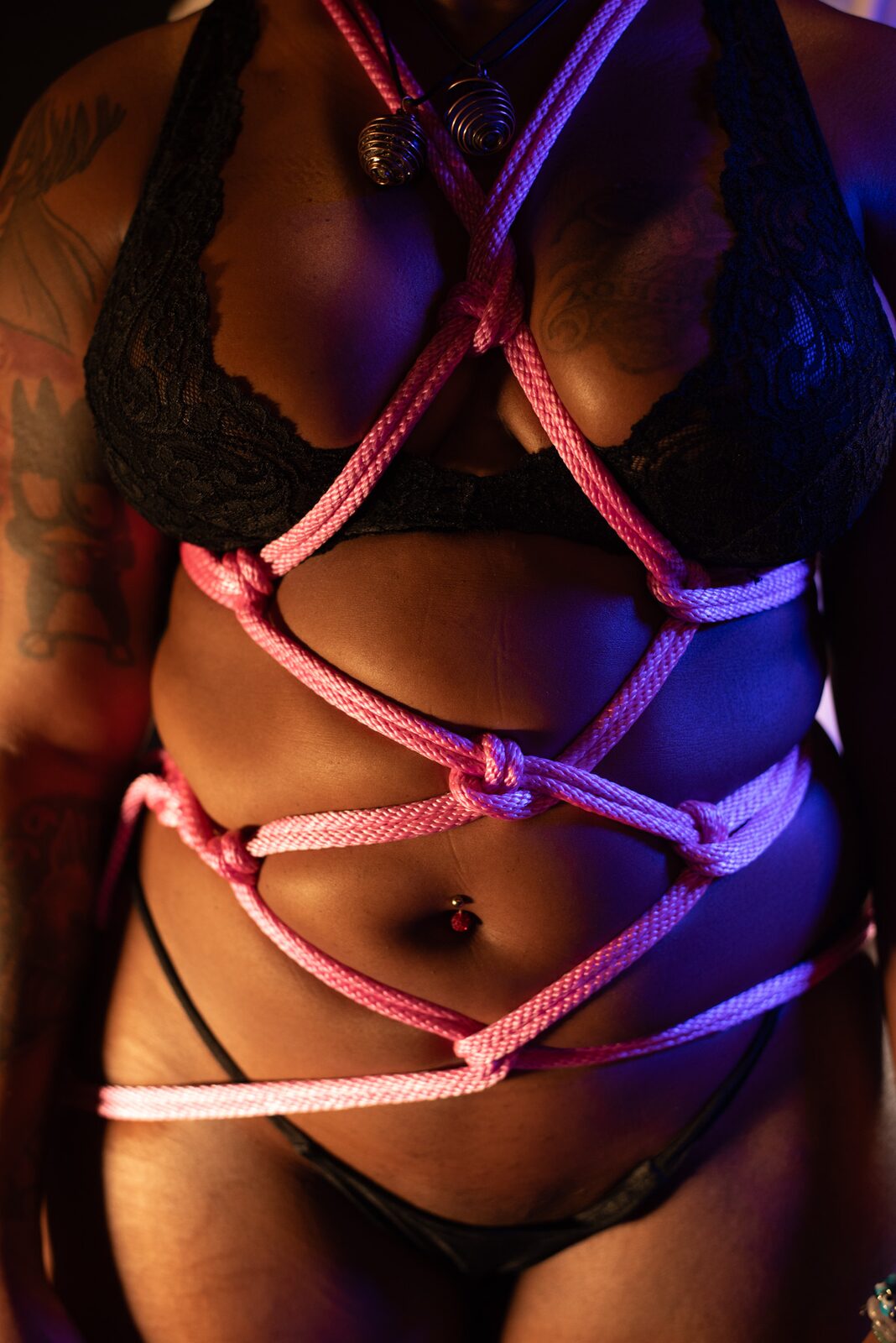

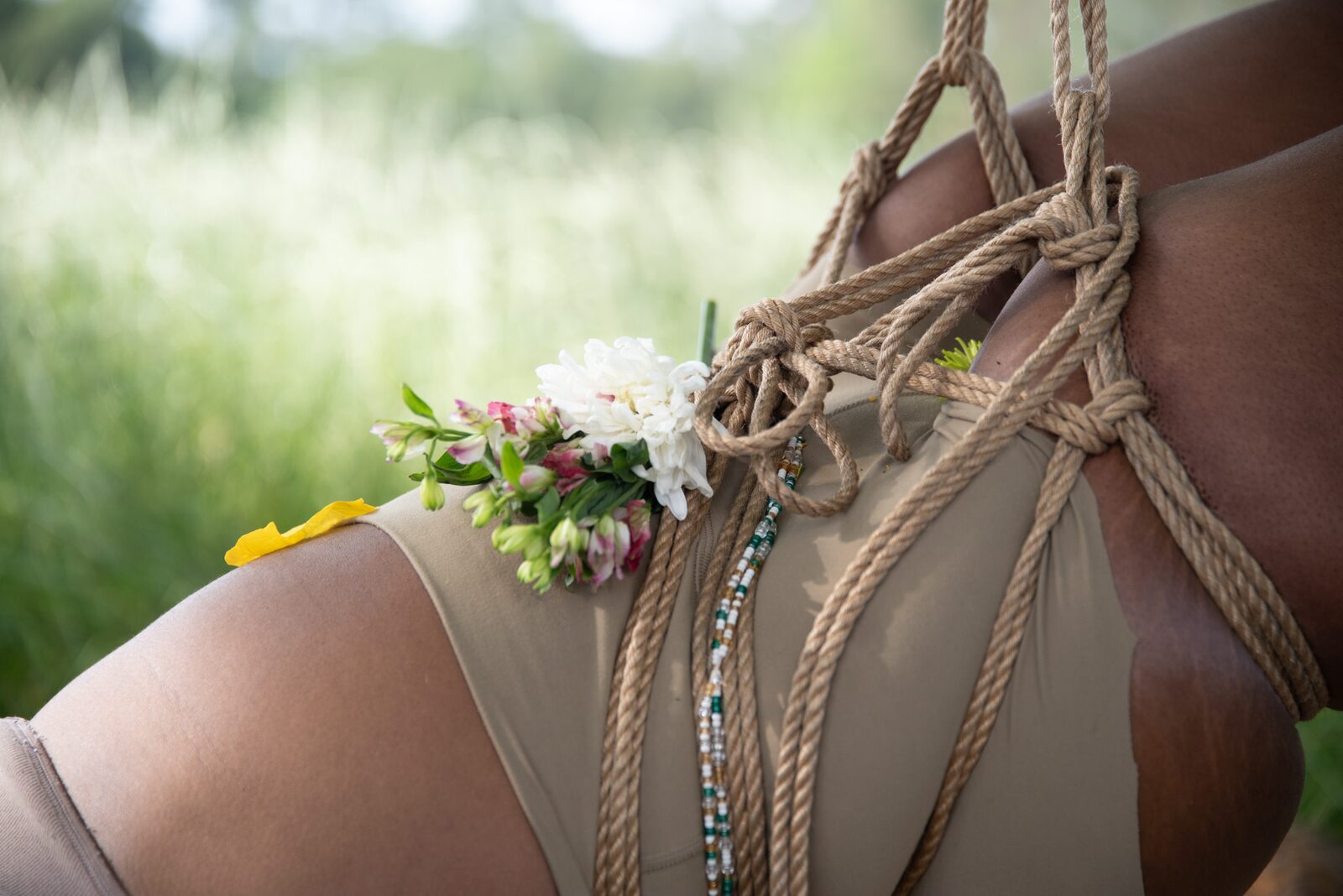
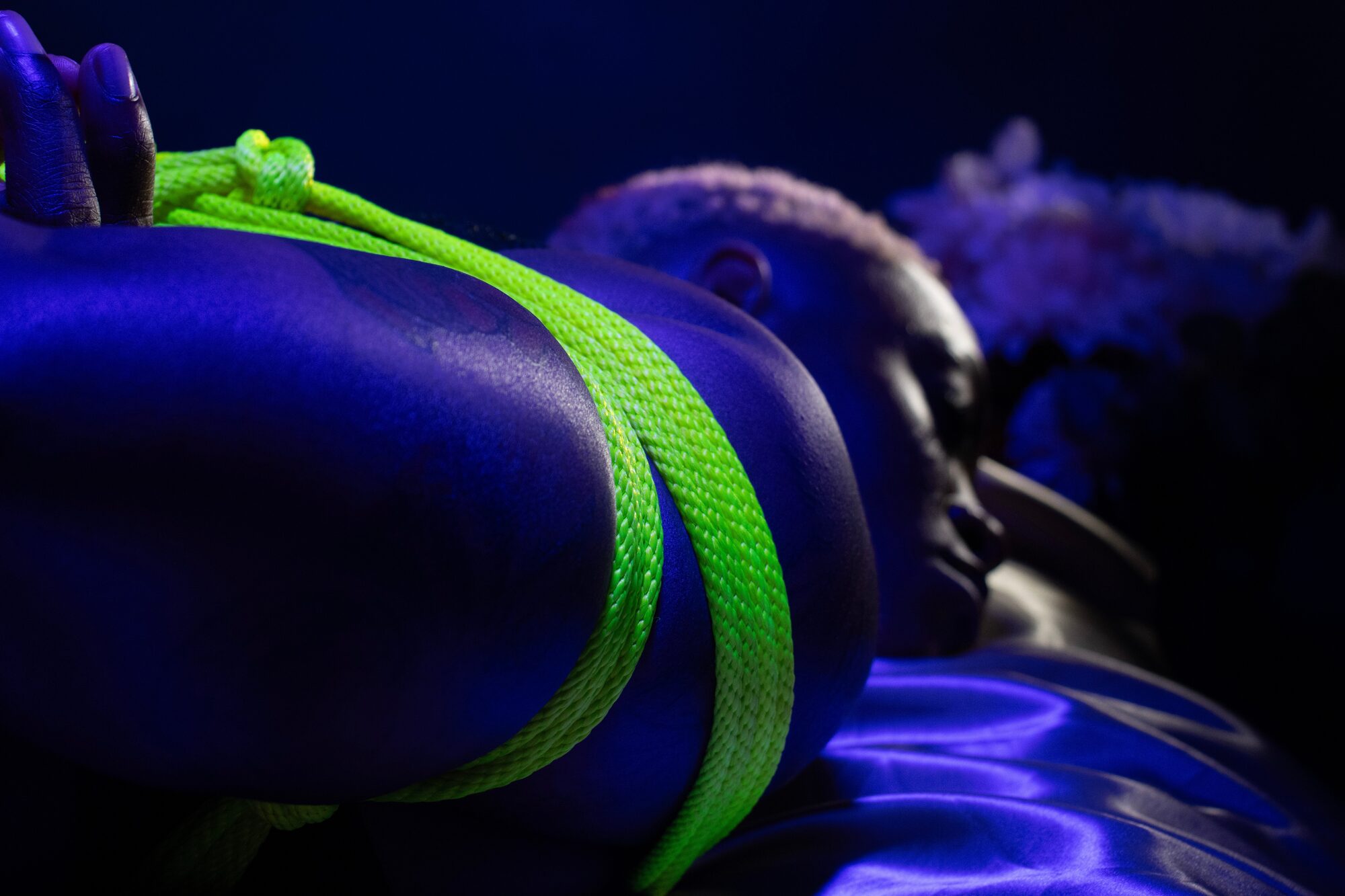
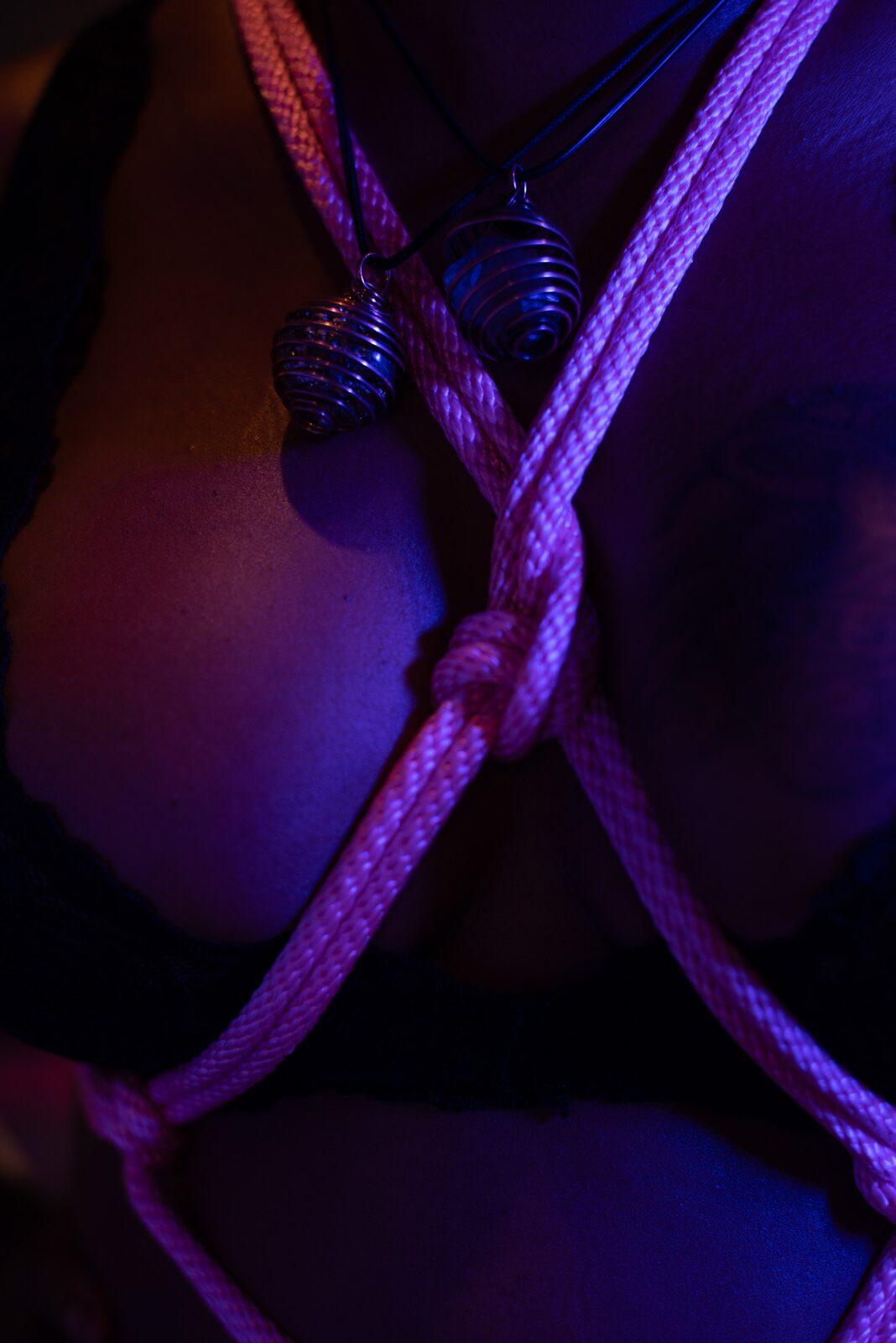
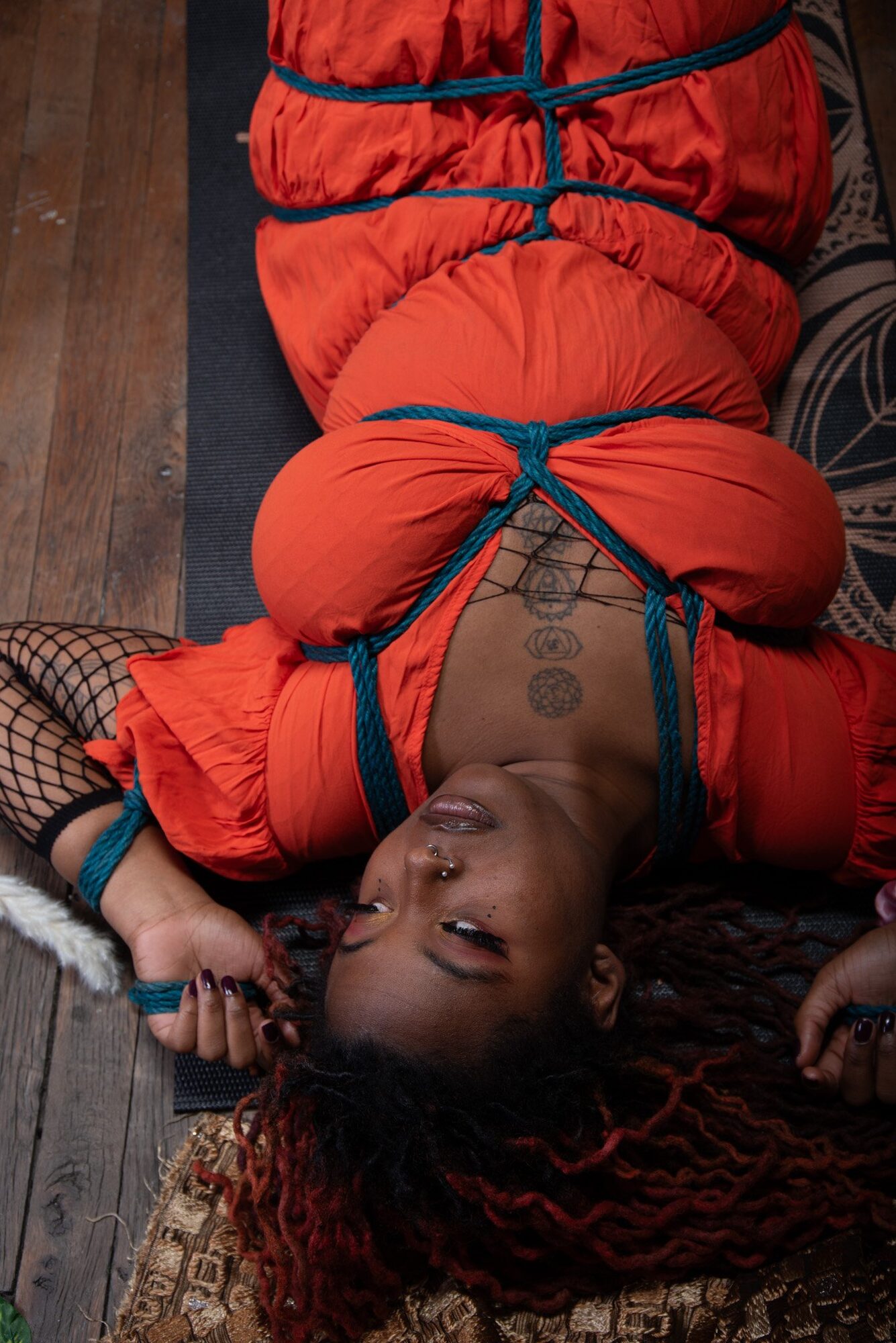
Tap any clip to watch it full size.
The Knot as a Sacred Act
Now the turn. Everything above is craft. Here's where craft becomes ceremony.
A knot is old magick. People have tied knots for power, for love, for protection for as long as there has been cord to tie. The knot is a symbol of energy. It can be a wish made manifest. It can be a cage that captures energy and holds it. It can be a timekeeper, storing power until the moment you release it.
So tie it like that's true. Hold the rope. Speak your will into the fibers. Tie it with purpose and declare it.
This knot holds my will.
The Philosophy Behind the Rope, by CraigJustCraig
When you work this way, intent shapes the flow and skill carves the path. Every tie is infused with purpose. Every motion and every pull is a conversation between body, rope, and intention. The knot stops being a fastener. It becomes a vessel for something you put there on purpose.
This is also why I tell people to chase right thought, right mindfulness, right presence, and right focus before they chase the perfect technique. The technique comes from the repetition. The meaning comes from you.
Flow and Presence
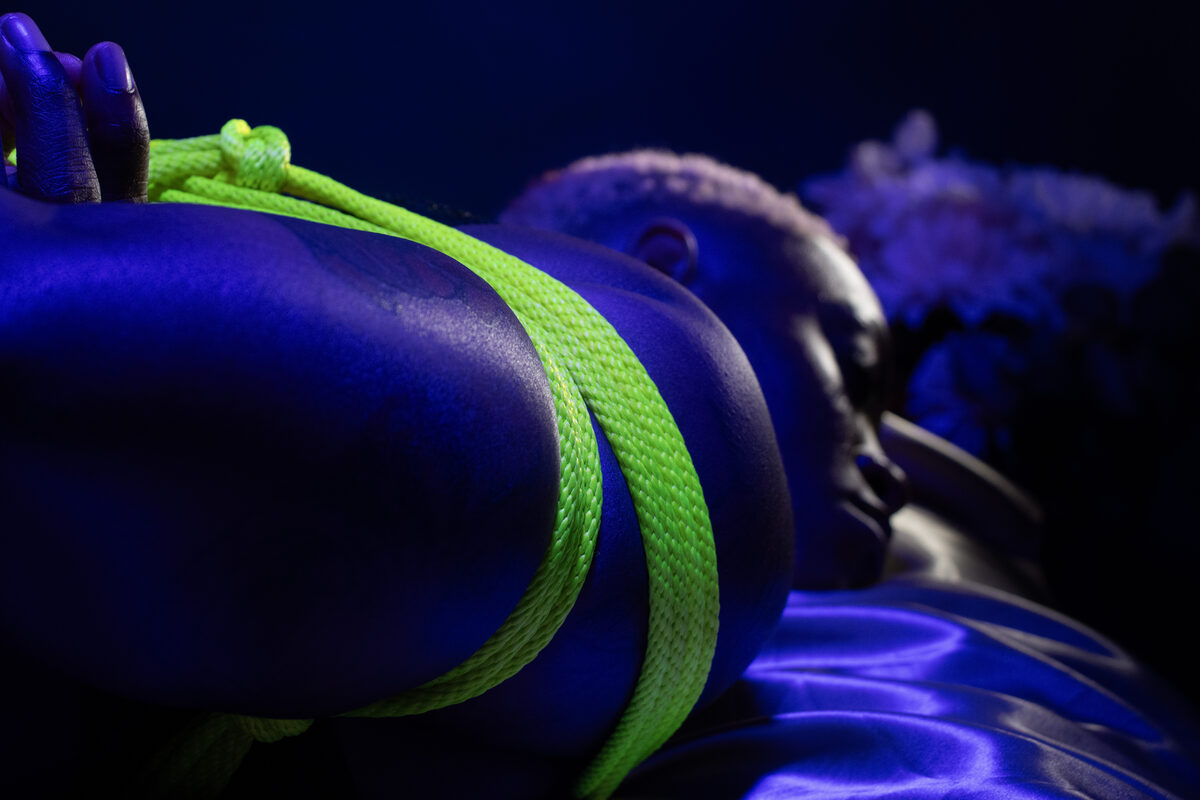
Rope, practiced this way, becomes a form of yoga. A discipline of breath, presence, and surrender, where the mind stills and the soul comes up to the surface. So move slowly. Tie mindfully. Breathe with the rope. Controlled, consistent movement creates flow, and flow is entrancing, for you and for the person held in it. Fast rope, flying rope, breaks the container you spent so much care building.
Intent shapes the flow, while skill carves the path.
The Philosophy Behind the Rope, by CraigJustCraig
And use your hands to guide, never to fight. After you pull your length, paint the rope into place. No dragging, no whipping, no jerking, no yanking. Paint it in and your lines lie clean the first time, which means you spend less time fixing rope and more time connecting through it.
Painting is the whole posture in one image. You are not forcing a line across a body. You are laying it down with the care you'd give to laying down a brushstroke you can't take back.
Knot Magick
Binding and loosing is one of the oldest names for magic. Older than words, older than fire. A knot is a symbol of energy, fragile and mighty at once, and people have tied it for power, for love, for protection in every tradition that ever made cord. There are three ways a knot works its will.
- Wish A knot tied to make something happen.
- Cage A knot that captures an energy and holds it.
- Timekeeper A knot that stores power until the moment you release it.
A cord captures energy for the long results, protection, prosperity, love. A single knot pushes something specific and immediate. You might make a cord for general prosperity, then tie one knot in it to pull money toward a sudden bill. The cord is the standing field. The knot is the spell you cast inside it.
Rope carries this everywhere. The first cord that ever bound us is the umbilical, our tether to life itself, and rope magic shows up in nearly every faith that came after.
- Red Kabbalah string. Wound around Rachel's tomb, worn for protection.
- Genesis 38. A red thread tied to mark the firstborn of Judah.
- The Jewish tallit. Blue tzitzit knotted as a reminder of the divine.
- Hindu kalava. Red and gold thread bound in temple ritual.
- Thai sai sin. Sacred thread for weddings, funerals, and blessings, tying spirits together and apart.
- Shinto shimenawa. Sacred rope marking the places where the spirits dwell.
- Handfasting. The old wedding rite, two souls tied as one.
So tie like all of that is true, because in your hands it is. Here is the practice, start to finish.
Knot Wishes
A wish made manifest in a single knot. Keep the intention positive, a thing you want to arrive, and keep the knot loose enough to untie once the work is done.
-
Set the intention
Write one sentence naming what you want. Copy it cleanly onto an index card and put the date on it, the year included. State it as a positive outcome, a thing arriving, never as something you are trying to stop.
-
Pick a cord
Choose the cord you will use. Use one already made, or make a cord for this purpose alone. A single-thread cord is enough for a knot wish.
-
Speak the intention
Hold the cord in your hands. Speak your purpose clearly over it, and let the words soak into the fibers.
-
Tie the knot
Tie it loosely, so it unties easily later. As you tie, say: With this knot the wish is sealed.
-
Store the cord
Place the cord and the index card in a small cloth pouch. Carry it, or keep it close to where you sleep. Review the intention now and then to be sure it still serves you.
-
Release it
When the wish has come true, untie the knot slowly and deliberately and say: The work is done. Then use the cord again for another purpose, or unmake it.
This knot holds my will. This knot shall not break until I command it.
A knot can hold energy back as easily as it sends energy out. Tie one to put a force on a magical hold and the energy stays locked inside the loop until you choose to free it. This work is harder, because the intention is harder to phrase. Tie it the way you tie a wish, in the positive. Whatever you want to prevent, find the thing you want to arrive in its place, and tie for that instead.
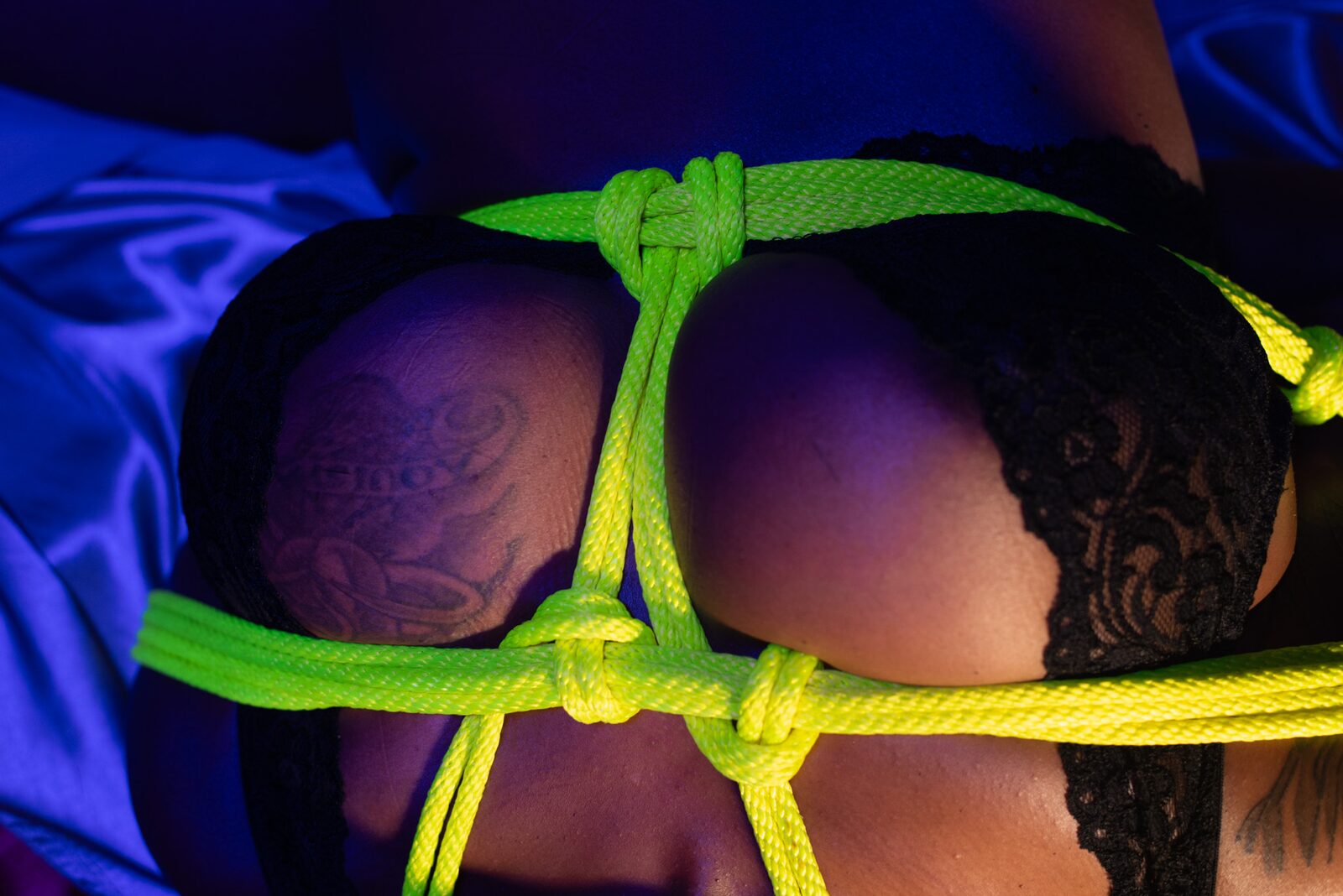
The Rope Itself
The book teaches the devotion. The site has never taught the craft underneath it, the rope you choose and how you keep it. So here it is. Treat this as practical groundwork, not doctrine, and trust your hands and your teacher over any page.
Rope is not one thing, and what you tie with changes what the practice feels like.
Jute and hemp are the traditional choices. Jute is light, holds a knot with a dry tooth, and has the quick, talkative feel most associated with Japanese-style work. Hemp is a touch heavier and softer, more forgiving under the hand, kinder on the skin for long floor sessions. Both have grip, which means knots and frictions hold with less effort, and both age into something better with use.
Nylon and polyester ropes, including the soft solid-braid kinds, are smooth, strong, washable, and cheap. They slide more, so frictions need more attention to hold, and that slide can be a feature for some kinds of play. They're a fair place to learn, easy to live with, and easy to clean.
Most people land on jute or hemp once they're serious, because the grip and the feel reward the time. But the best rope is the rope you'll actually pick up and practice with, over and over. A rope that intimidates you stays on the shelf.

Standard working lengths run around twenty-six to thirty feet, with shorter pieces for small ties and detail. Diameter sits near six millimeters for most bodies, a touch thinner for finer work, a touch thicker for comfort across a wider band. Thicker rope spreads load and is gentler on the body. Carry a few lengths so you're never improvising structure out of a piece that's too short.
Caring for the Rope
A rope you tie with is a rope you're responsible for. Natural fiber especially asks for tending, and the tending is part of the devotion.
The point of all this is simple. The rope is part of the practice, not a tool you use and forget. How you keep it is how you keep the work.
Patience Is the Path
This is the part people resist, so I'll say it plainly. You cannot rush this. The whole thing runs on patience.
Patience is a virtue and a requirement here, patience toward the work and toward yourself. The strongest dynamics and the deepest intimacy come from time. There is no version where you skip the years and arrive at the depth.
So stop chasing the far-off goal. Stop measuring yourself against someone else's photograph. Love every step of the way. Love and transformation ask for discipline, concentration, and patience, and they give nothing to the person in a hurry.
Lean into the present moment. Stop resisting the slowness. Learn, practice, review, celebrate, repeat. Do that long enough and the practice stops being something you do and becomes something you are.
As I bind, so I become.
The Philosophy Behind the Rope, by CraigJustCraig

So here's the whole practice, small enough to hold. Tie the overhand knot until it disappears. Tie the square knot until your eyes can read it. Learn the lark's head and the Somerville bowline and the four ways rope moves through your hands. Choose your rope, condition it, inspect it, keep it dry. Then do all of it again, and again, past memory and down into the bones.
Speak your will into the fibers. Paint the rope into place. Breathe with it. Don't rush, because the rope is not in a hurry, and neither are you. This is chop wood, carry water. The knot is the wood. The devotion is the water. You carry both, every day, and the depth everyone is reaching for arrives on its own while you're busy with the basics.
This knot holds my will. As I bind, so I become.
Ashe.
Resources
I don't teach in a vacuum, and you shouldn't learn in one. Start here, then keep going.
The companion guide
- Rope and Anatomy: A Somatic Guide · the body you put rope on, from the inside. Read it alongside this one
Foundations & knots
- Crash Restraint · clean, free, well-sequenced fundamentals
- The Duchy · step-by-step foundational ties and friction tutorials
- Rope Study and Shibari Study · structured learning paths and free safety material
Books
For information, history, and aesthetic appreciation. I do not recommend learning to tie from books. Learn live, in an apprenticeship or a class.
- Shibari You Can Use, Lee Harrington
- Better Bondage for Every Body, Evie Vane
- The Seductive Art of Japanese Bondage, Midori
Learn it in the room
- None of this lives on a page. It lives in the hands. Come to a class.
- The longer version of all of it is the spine of my book, The Philosophy Behind the Rope by CraigJustCraig. How the body speaks the language of the soul.