
Rope & Anatomy
A somatic guide to the nerves, the blood, the bone, the breath, and the nervous system underneath it all.
by CraigJustCraig
First, a word of clarity. I'm not a doctor, and this is not medical advice. If you faint in ways you can't explain, if something in your body stops working and doesn't come back, go see a physician.
Now, let's talk about it.
Most rope teaching starts with patterns. The knot, the wrap, the transition. Those things matter. They're also the surface layer of a much deeper practice, because underneath every pattern is a body. A body with circulation, nerves, bone, breath, and a nervous system that is reading you the entire time.
This is a guide to that body. Rope and anatomy from the inside. I'll show you what you're actually touching when you put rope on a person, and why knowing it is both the foundation of safety and the doorway to connection.
The body is an archive. It holds history, pattern, and preference in its flesh. When rope makes contact, the nervous system does more than register pressure. It makes a decision. Learn the body and you learn to read that decision instead of tying past it.

Rope Is Not Safe
This is often the second conversation I have, and here I tend to disagree with the majority on what safety in rope looks like. Fundamentally, I believe rope is not safe. We proceed from there.
I've heard it all. "If you do it right, take the right precautions, take the right classes, be extremely careful." On and on they go. Rope is not safe. If you plan to tie anyone with a pulse, yourself included, something will go wrong eventually. And when it does, you may face injury.
Engaging in rope means understanding its risks. If you don't know the potential consequences, you can't offer informed consent. Rope is among the most dangerous forms of BDSM. It's classified as edge play. Statistically, serious injuries and deaths in BDSM most often involve rope.
- Nerve compression can happen nearly instantly. Recovery takes months, if it recovers at all.
- Blood clots from extended restriction can cause stroke, heart attack, or death.
- Cut off blood long enough and tissue dies. At the far end, that's necrosis.
- Broken bones, dislocation, choking, breathing restriction, atrophy, loss of dexterity, sudden paralysis. All very real.
Rope is not safe. Rope is edge play. It lives at the border of control and chaos.
The Philosophy Behind the Rope, by CraigJustCraig
Your life is on the line. You're often rendered helpless, placed in prolonged and stressful positions, brought to vulnerable places. Physically, emotionally, mentally, spiritually. This is where a lot of the deep work begins. It's also where deeper injury can occur. Knowing what to look for is what lets you advocate for yourself with confidence.
You hold someone's life in your hands. Once they're bound, they can't act. You become a shepherd, a custodian, an architect, a warden of their submission. That's a heavy burden. Seek knowledge. Be present. Be aware. Don't assume you know it all.
To do any of it, you have to know what's under the skin.
The Anatomy
Understanding anatomy is your single greatest tool for harm reduction. You don't need a medical degree. You need to know the body well enough to understand cause and effect. The two concerns that come up most are nerve compression and blood circulation.

The three nerves that run through your hands
Three major nerves branch off the bundle at your shoulder, the brachial plexus, and travel down each arm. They vary from body to body, so treat these as strong general guidelines, not a map you can trust blindly. Learn them.
The radial nerve. This is the one that hurts people most. It winds around the outside of the upper arm, right at the meeting point of the deltoid, biceps, and triceps, then spirals down the forearm. That crossing is exactly where a box tie or a suspension wrap lands. It controls your ability to lift your wrist and extend your thumb. Compress it badly and you get wrist drop. The hand can't lift, the thumb won't stand, and it can stay that way for weeks or months. To protect it, have the bottom turn their palms together before the arms go back. That rotates the nerve away from the rope.
The ulnar nerve. This is your funny bone. It runs along the underside of the arm, past the inside of the elbow, down to the little finger. It governs grip and the pinky side of the hand. The warning sign is numbness or tingling in your ring and little fingers.
The median nerve. This one runs deeper, down the center of the arm, so it's the least likely to get hurt by rope. It surfaces at the inside of the wrist, the carpal tunnel. When it's compressed, you feel it in your thumb, index, and middle finger.

There's a clean logic to the sensation. Tingling in the first three fingers points to the median nerve. Tingling in the last two points to the ulnar. A wrist that won't lift points to the radial.
Sensation lies, though, and the most reliable read is movement. Set a baseline before you tie, then check three motions:
- Radial. Can they flex the hand backward, give a clean thumbs-up?
- Median. Can they bend the hand forward, toward the forearm?
- Ulnar. Can they turn the hand toward the pinky, like a doorknob?
Lose one of those motions and you're looking at that nerve under threat. Get the rope off.

The nerve cheat sheet
Keep this where you can find it. The nerves rope loads most, what they run, and how an injury shows up.
| Nerve | Controls | Feels | Where rope threatens it |
|---|---|---|---|
| Radial | Wrist and finger extension, opening the hand | Back of the hand, thumb side | Outside of the upper arm, in the box tie and suspension. Injury reads as wrist drop. |
| Median | Bending the wrist, thumb to fingers, making a fist | Palm side of the thumb, index, and middle finger | Inside of the wrist (carpal tunnel) and front of the elbow. Can't make a fist. |
| Ulnar | Spreading the fingers, grip on the pinky side | Ring and little fingers | Inside of the elbow and the wrist groove. Numb pinky side. |
| Axillary | Lifting the arm out to the side | Outer shoulder over the deltoid | Hard pressure on the shoulder. |
| Femoral | Straightening the knee, lifting the thigh | Front of the thigh | Hip and groin loading. |
| Peroneal | Lifting the foot and toes | Top of the foot | Outside of the knee. Injury reads as foot drop. |
Nerve compression or lost circulation
These two problems feel different, and the difference tells you what to do. Lost circulation is a large-area problem. The whole hand or limb tingles, swells, goes cold, changes color, aches. It comes on gradually and in stages. Press a fingernail until it blanches white, release, and watch the color flood back. Longer than a second or two means circulation is restricted.
Nerve compression is a small, localized problem. It's half a hand, or a specific set of fingers. It can be a burning, an electric shock down the limb, or a quiet numbness, and it often arrives without pain and without a visible warning. It can show up days later. That's what makes it the more dangerous of the two.
Here's the catch that ties them together. Reduced circulation can mask nerve damage. So when circulation drops, your guard goes up, not down. When the signal is localized, when it's electric or burning, when half the hand goes quiet, act on it. The rope comes off, now. Nerve damage is cumulative, so even at the first signs, take a few days away from rope.
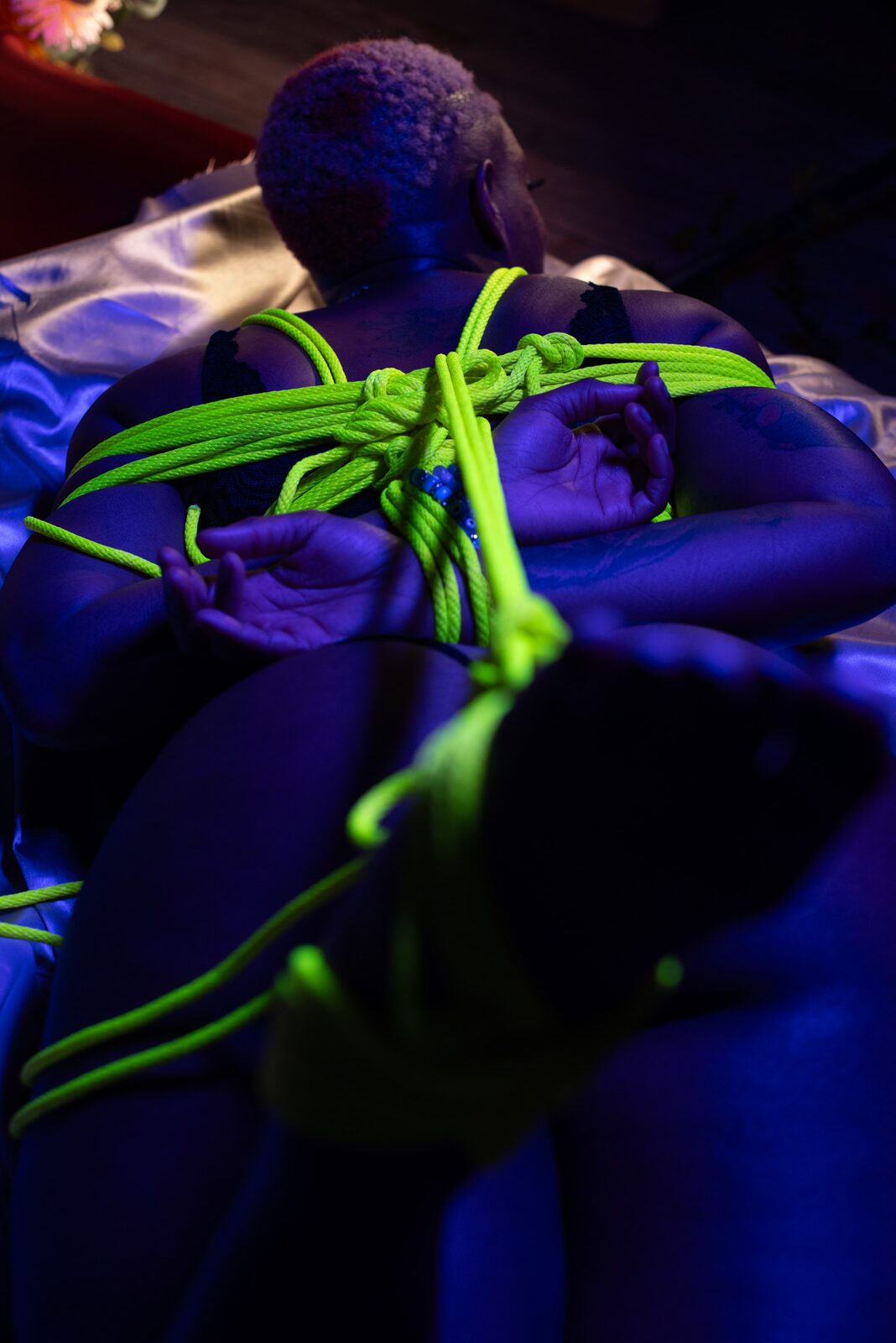
Placement matters. It's half the picture. Nerves get hurt three ways. Direct pressure from rope on the nerve. Indirect stress from the position the body's forced into. And anoxia, where restricted blood starves the nerve of oxygen. So how you tie is a safety factor in its own right. The longer rope is on, the greater the risk. The tighter the rope, the greater the risk. Uneven tension is dangerous, because the tightest line carries the whole load. A wider, even band is gentler than a narrow one.
The bones you build around
Some of the skeleton is sturdy and made for load. Some of it is shallow and fragile. Tie over thick muscle and strong bone, the rib cage, the hip bones. Stay off the breakable parts and stay out of the joints, where nerves and vessels run shallow and exposed.

- Clavicle and sternum. Bony and shallow. Keep concentrated pressure off them. The xiphoid below the lowest ribs can break off under a hard point.
- Floating ribs. Your two lowest pairs don't attach to the sternum at the front. With no anchor, they break and displace far more easily. Don't load them.
- Joints and the neck. Avoid the inside of the elbow, the back of the knee, the underarm, the wrist groove, and the groin. Stay off the neck entirely. The carotids drop someone in about ten seconds.
The legs have nerves too
The arms get the attention, but the lower body has its own wiring, and hip harnesses and thigh ties load it. Watch the femoral nerve down the front of the thigh and the sciatic behind it. The lateral femoral cutaneous across the outside of the hip. The peroneal at the outside of the knee. The peroneal is the leg's version of the radial. Compress it and you get foot drop. Same principle as the arm, different limb.

Err under this for restricted circulation. Less with any pre-existing condition.
Then a 10-minute break. Clots form in veins held too long.
A relaxed body held vertical can faint in this window.
Carotid compression to unconsciousness. Stay off the neck.
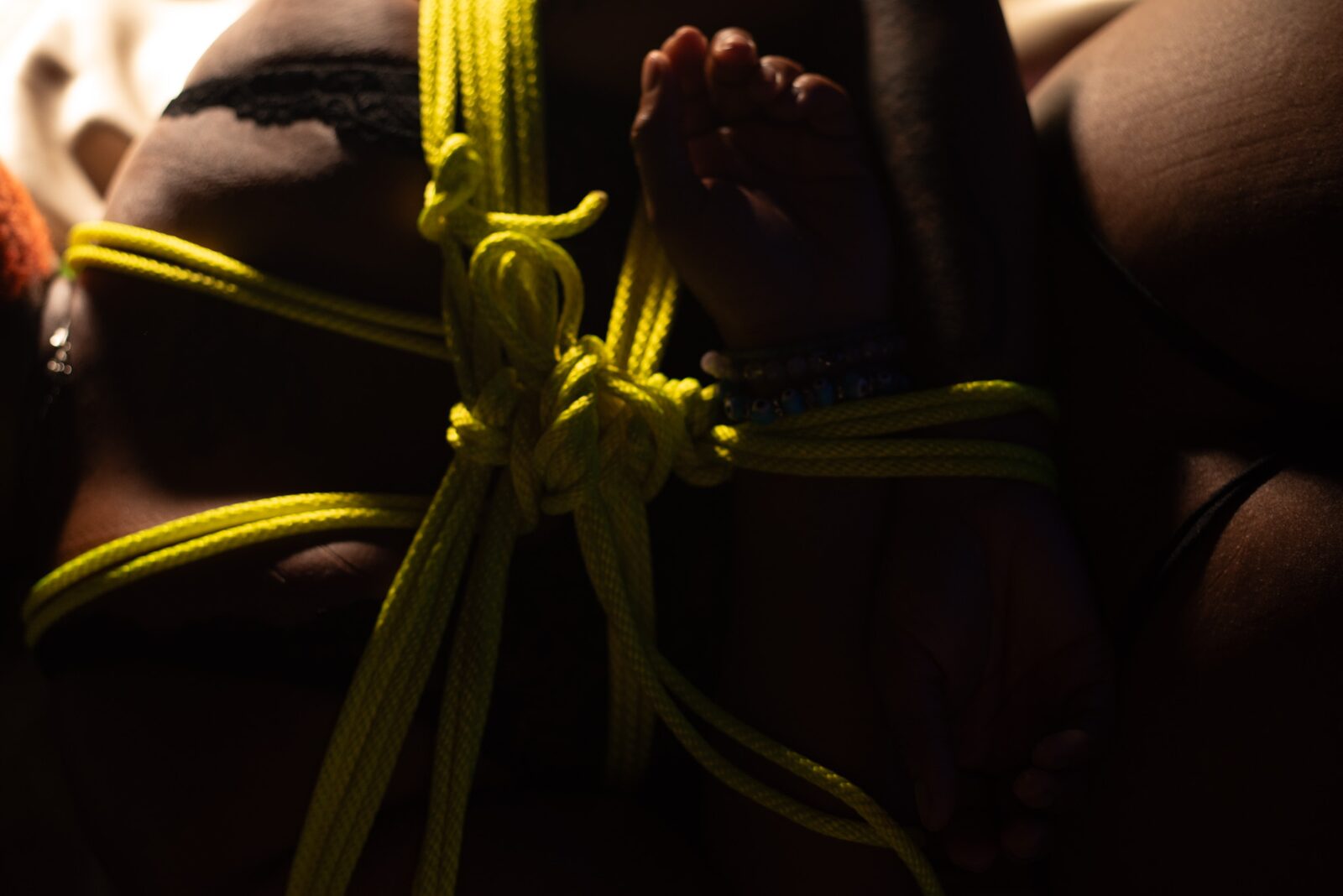
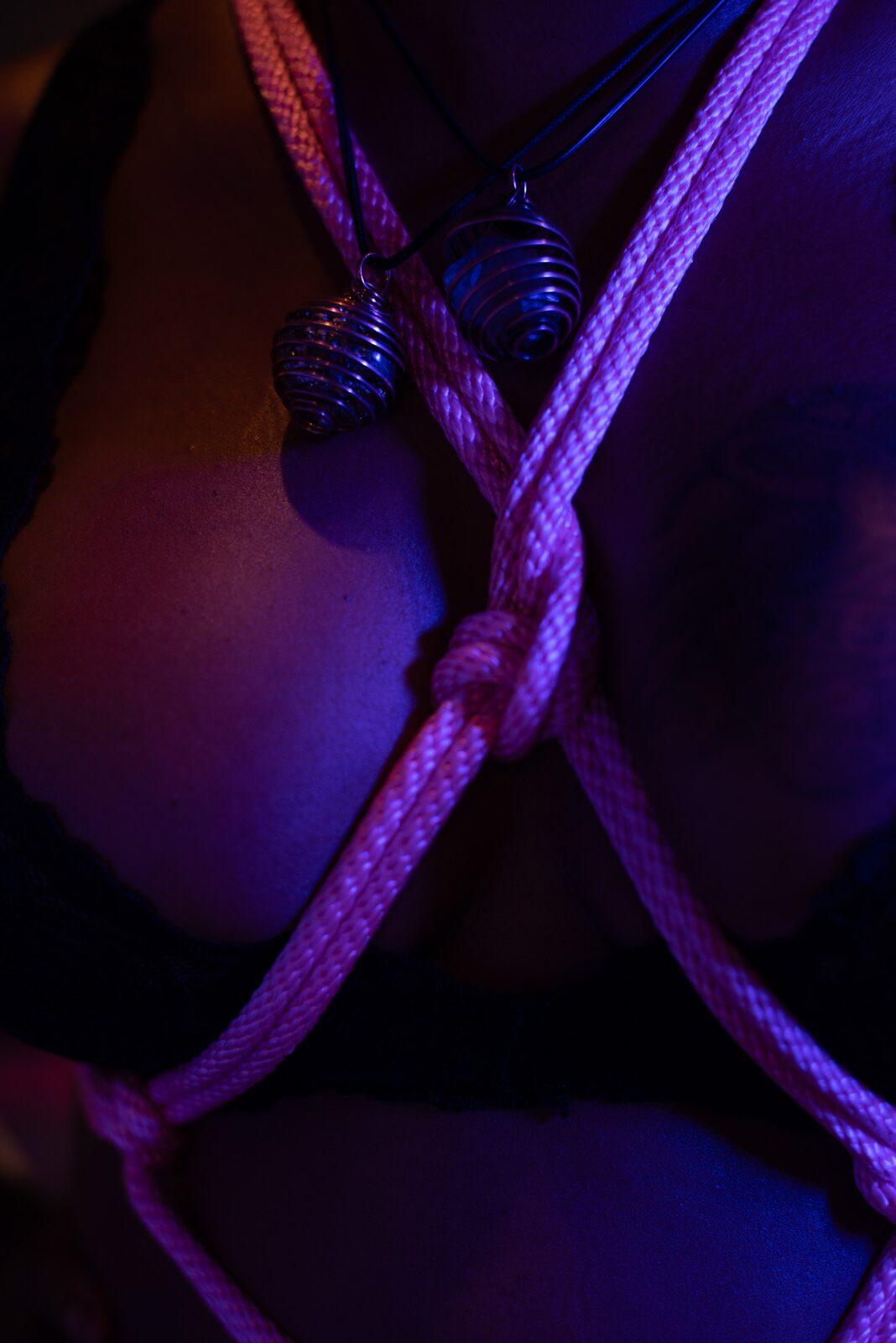
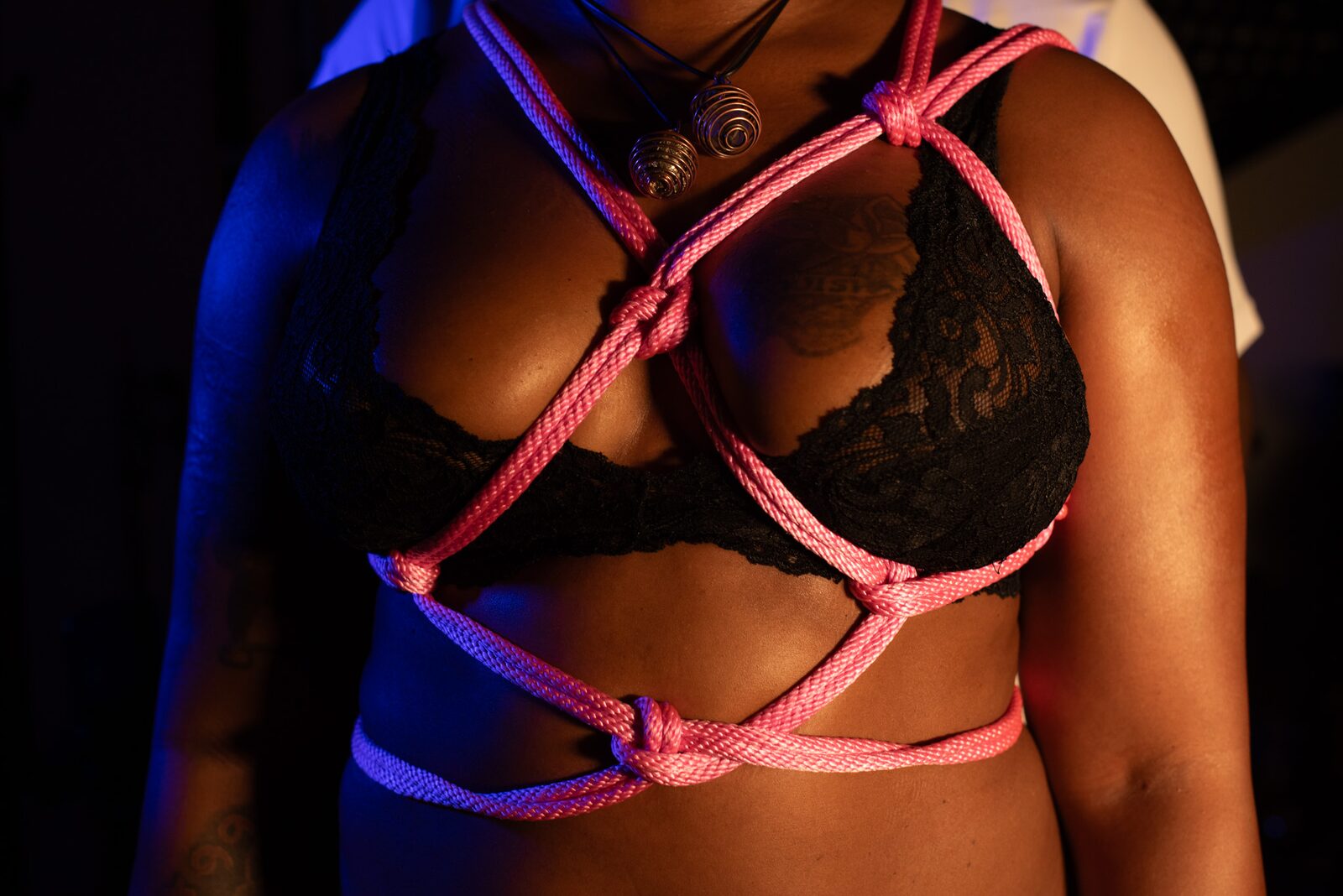
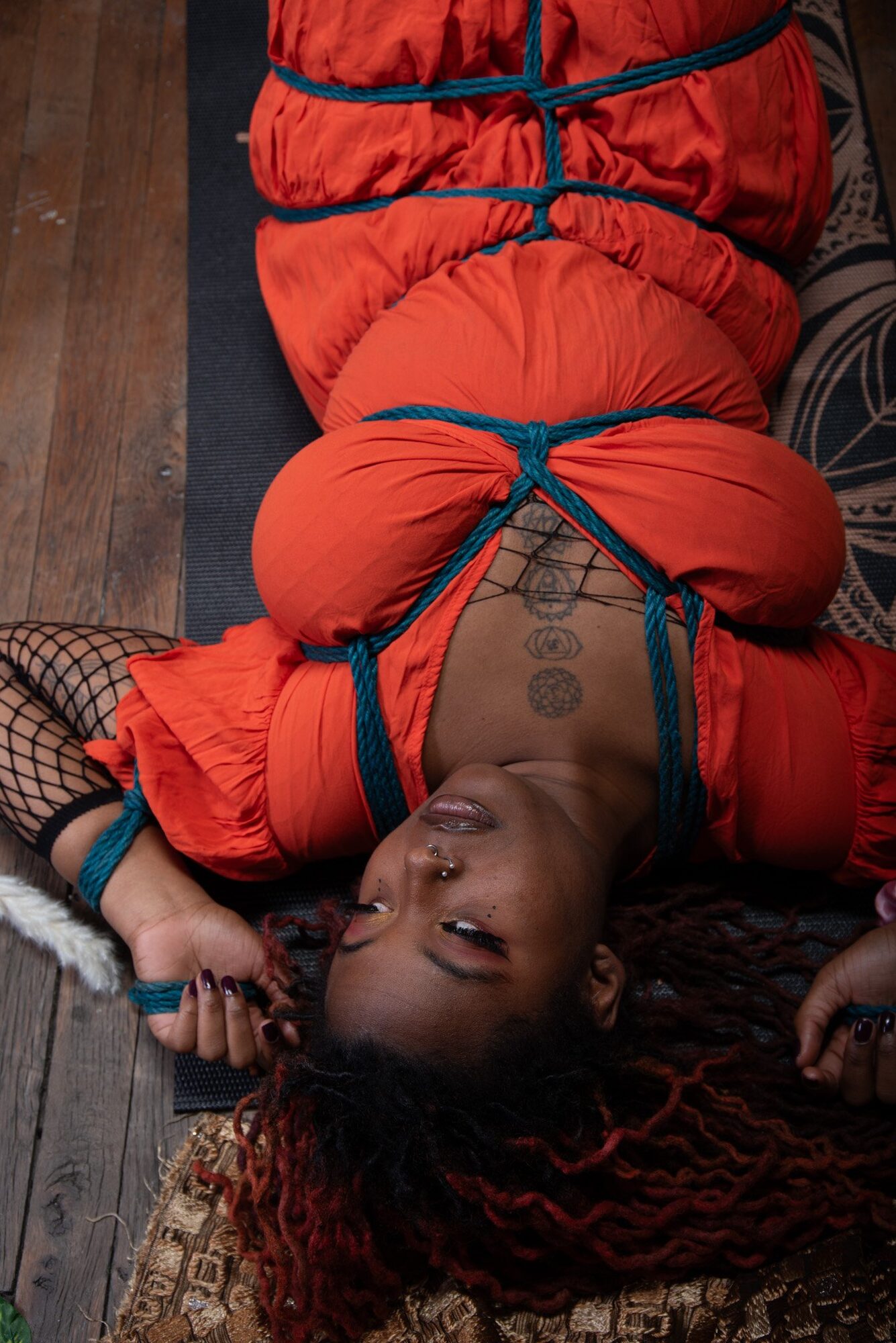
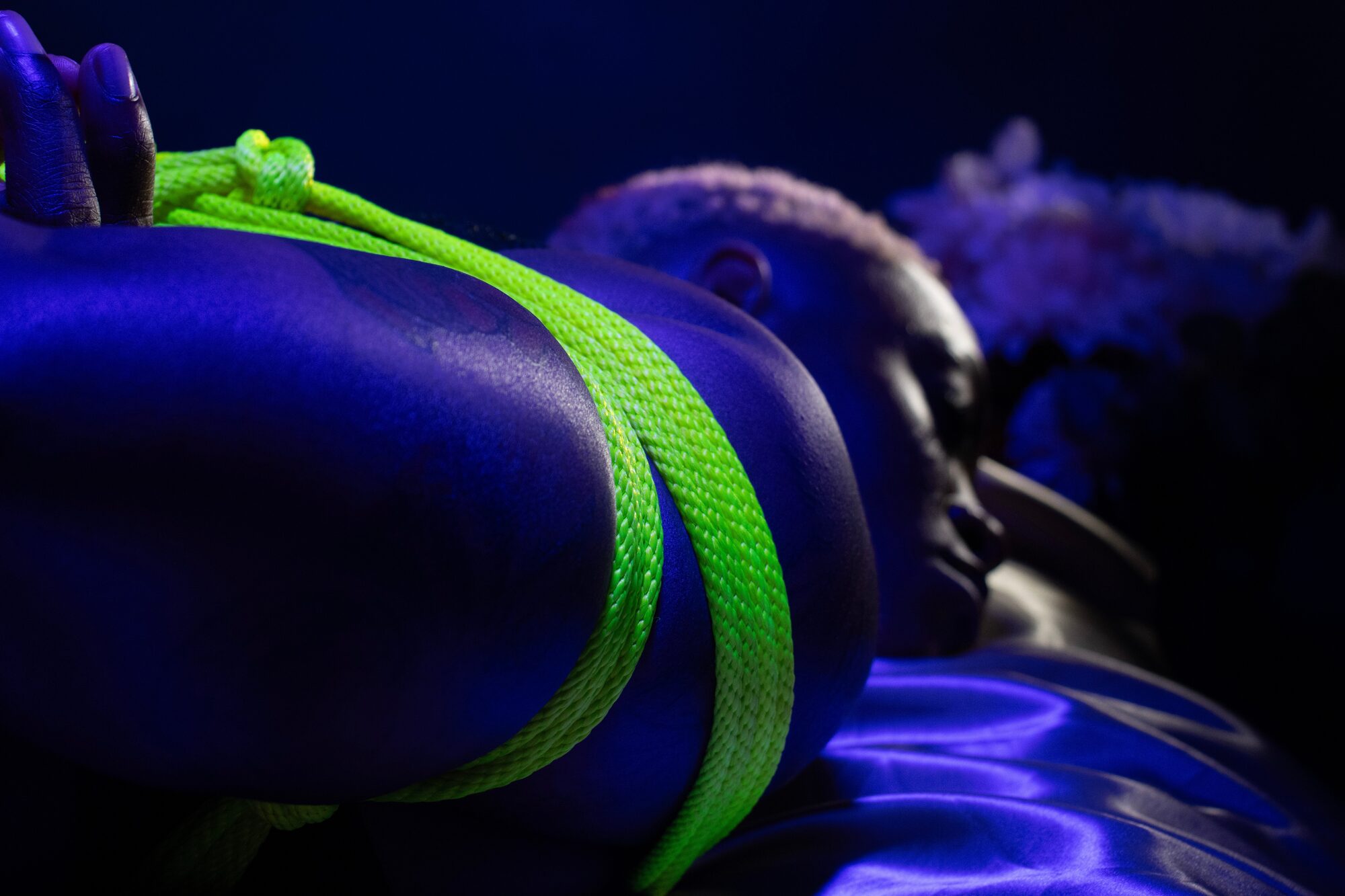
Tap any clip to watch it full size.

Fainting
Stand up too fast and the world shifts. A dizzy spell, black creeping in at the edges, like an old tube TV flickering out. It can happen in rope too, and let me tell you, it's scary as hell.
Your circulatory system keeps equilibrium by regulating pressure, vasoconstriction and vasodilation, among other mechanisms. Tight bindings and certain suspensions trap blood in parts of the body. When those ropes come off, all that blood rushes back into circulation at once. Add gravity and a fast transition, and you've got the perfect recipe for fainting. It isn't always about pain or emotion, though those play a role. Often it's about circulation, and how fast the body is forced to adjust.
- Standing up too fast
- Dehydration, skipped meals, heat, exhaustion
- Low or high blood pressure
- Alcohol, caffeine
- POTS and other conditions
- Coming out of rope, or going vertical, too fast
- Tightness of breath, profuse sweating
- Too much spit, ringing ears
- Disconnection or dissociation
- Cotton in the ears, sounds fading
- Pressure in the head, black spots
- A general feeling of wrongness
Trust the first signal, not the last. Say something. Take a seat. Get water. Cool down. Come out of the rope slowly. Get fresh air. Eat something sweet. And know that passing out isn't always about blood. Psychological stress can trigger it too. That's vasovagal syncope. Sometimes fainting acts as a psychic wall, a shutdown that shields and resets. The body protecting itself when the experience is too much.

Prevention
Negotiate the real things. Consent model, physical limits, injury history, medications, sexual health, substances, support networks, conflict styles, aftercare. On consent models, pick a frame and use it. They're shorthand for the same care.
- SSC Safe, Sane, and Consensual
- RACK Risk-Aware Consensual Kink
- PRICK Personal Responsibility, Informed, Consensual Kink
- FRIES Freely given, Reversible, Informed, Enthusiastic, Specific
- CRISP Considered, Reversible, Informed, Specific, Participatory
Risk Management
- Ever leave someone in rope
- Tie too tight
- Ignore discomfort or strain
- Scene with people you don't trust
- Use gear you wouldn't destroy in an emergency
- Coerce past comfort, or approach hard limits
- Warm up first
- Run CSM checks: circulation, sensation, motion
- Keep EMT shears and a first-aid kit within reach
- Negotiate before, during, and after
- Set a safe word and an aftercare plan
- Take a 10-minute break every two hours
Emergencies will happen. Remain calm. Move decisively. Minor issues get first aid. Anything serious or unclear gets medical help. Human error is the number one cause of injury. Admit you're fallible. Don't work beyond your ability. Remember what you're holding. A person, with a circulatory system, nerves, and emotions.
Aftercare

Most nerve trouble announces itself late. If circulation is slow to return, if numbness or tingling persists, if there's a new pain the rope caused, or if a limb isn't responding right, don't wait it out. Don't be embarrassed either. Most medical professionals care a great deal more about getting you healthy than about your sex life.
Skin and marks. On melanated skin especially, marks linger longer, darken more easily, and are harder to fade. The care matters more, not less. Work anti-inflammatory in the first day or two: arnica, an Epsom soak, aloe. Once the skin closes, gentle acids that are kind to darker skin, mandelic and azelaic, plus vitamin C and E and niacinamide. To fade pigment, the tyrosinase inhibitors: alpha arbutin, kojic acid, tranexamic acid, licorice root, turmeric. And daily sunscreen, SPF 35 or higher.
Drop. It can come hours or days later, for top and bottom both. Trouble concentrating, fatigue, guilt, irritability, appetite swings, lingering aches, a sadness that doesn't match the day. Name it when you feel it. Then treat it like the physical event it partly is. Food, water, warmth, rest, gentle movement, contact with someone who gets it. Plan the check-in before the scene, not after.

The Somatic Turn
Everything above is harm reduction. Necessary, non-negotiable. But if all you ever learn is how to not hurt someone, you've learned half of what the body is offering. The same nervous system that can faint, the same nerves that can be pinched, the same breath that can be cut short. That's the instrument the whole practice is played on.
Your body is more than a vehicle, it is an archive. Our fascia holds memory, our nervous system catalogs our experience, and our posture encodes both our past and our potential.
The Philosophy Behind the Rope, by CraigJustCraig
This is why rope reaches places ordinary touch can't. It works on the nervous system. The experience of being immobilized makes the body undeniable. It anchors a scattered, dissociated person fiercely into the present, through cycles of charge and discharge, constriction and softening, binding and release. In that space, the body begins to learn that safety is possible. That holding doesn't have to hurt. That surrender can be healing.
Pain is not the enemy. It is information. A signal. A mirror.
The Philosophy Behind the Rope, by CraigJustCraig
Once you understand the anatomy, you can tell the good pain from the warning. The good pain is the deep ache of a held position, the edge of a stretch. The warning is the bright, specific, electric note of a nerve under threat. One you can sit with. One you cannot. This is interoception. The practice of looking inside. Rope asks you to feel, to stay, to listen. When stillness is reached through surrender, the body begins to speak its own language. You learn the nerves and the bones and the clocks to keep someone out of the hospital. You also learn them to stay close to the edge without crossing it, so the body can yield without recoiling. That's where trust begins.
How I Teach This
None of this lives on a page. It lives in the room, in the hands, in the slow work of showing one person how to read the body in front of them. This is the work I bring to every class.


Rope Handling
If anatomy is what you touch, handling is how you touch it. The body underneath feels every difference, so the way the rope moves is never neutral. Every pull is a conversation between body, rope, and intention. What follows are invitations. Gateways into the work.
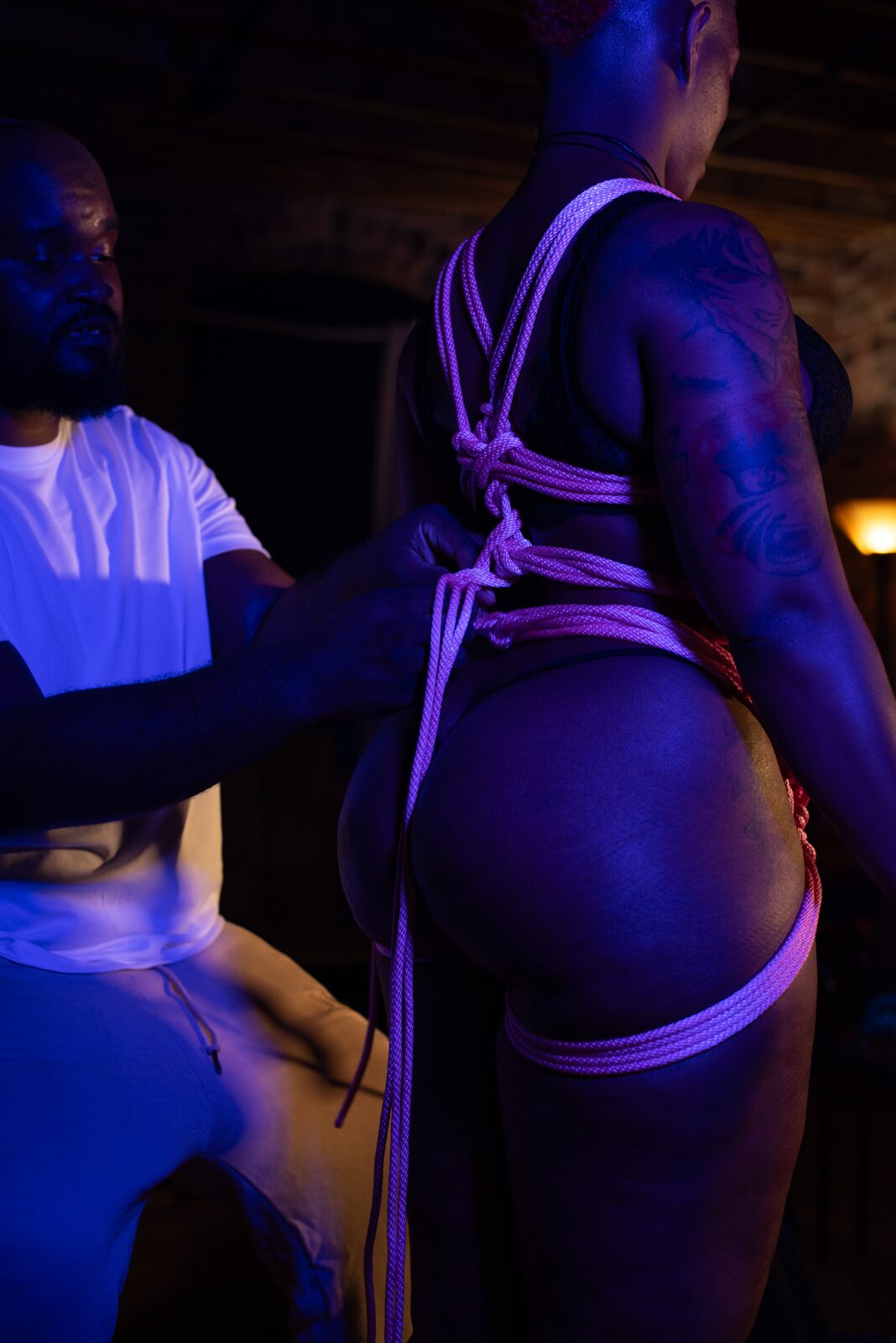
Use your finger like a crochet hook. Reach through from the opposite direction, hook the rope, draw the tail back through. Let it glide. Do not use your fingers like a spear. Use the back of your hand to make a cavity to slide through. That firm pressure is comforting, not invasive. Clean your lines once they're laid. No twists, no knots, no crosses.
Follow the path of least resistance. Let rope flow where there's space, intention, and invitation. Rope expands and contracts under load, which causes deflection. Build anchors to distribute it, lock your structure with sound friction, and tension to the anchor hand, not the body. Under tension, rope has a spring effect, so account for sudden shifts in force. And a bottom shouldn't eel out of the rope, because your body is the applied force, and moving against it makes rope bunch in ways nobody planned for.
The knot is the weak point. Rope almost always breaks at the knot. The friction that holds it together is the same friction that weakens the rope. A good knot is easy to tie, stable under load, costs the rope as little strength as possible, and easy to untie. Set and dress every knot after you tie it.
The rope is not in a hurry. Neither should you be.
Reroute first, reposition after. When a space is too tight to reach cleanly, it is not the time to jab or shove. You are not conquering a body. You are collaborating with one. Look for the space the body does offer, the soft hollows near the elbows, the curve of the waist, the dip between limbs. Pull back, don't push in. Slide. Adjust. Honor the body.
Rope control is energy control. How the rope moves says everything. When it flies, it breaks the container. When it flows, it's entrancing. When it's firm, it's domineering. It comes down the line, all of it, so be sure you're communicating what you mean to. Rope has a direct line to the heart and bypasses the brain's filters. These things come with practice. So focus less on perfect technique and more on right thought, right mindfulness, right presence, right focus.
Common Mistakes
- Rushing into suspension too early.
- Mistaking bondage for knots instead of connection and restraint.
- Attempting advanced ties with little understanding of the risks.
- Leaving rope bottoms uneducated, and believing bottoming is passive.
- Underestimating how difficult and painful rope bottoming is.
- Skipping classes and workshops.
- Mismatched intentions between top and bottom.
- Copying techniques without understanding them.
- Being shy about discomfort, and not checking in.
- Confusing rope safety with personal safety.
- Fixating on skills and missing the deeper work: connection, energy, presence, focus, and intention.
All partners in all scenes are responsible for safety. Make no comparisons. Drop expectations. Be in your own experience, present and embodied. You learn the anatomy, the nerves, the blood, the bone, the breath, so you stop being afraid of the body and start listening to it. Harm reduction and devotion are the same skill.
The body knows. It knows before you do, and it knows things it doesn't have words for. Rope is one way to give those things room.
Listen beneath the skin.
Ashe.
Resources
I don't teach in a vacuum, and you shouldn't learn in one. Start here, then keep going.
On circulation & nerves
- RVA Rope, "More on Circulation and Nerves" · the most thorough breakdown there is
- Nerve Injury Reference Card · hand nerves affected by box ties
- The Rope Bottom Guide by Clover · free PDF
- Rope Study and Shibari Study · free safety and somatics courses
For rope bottoms (and everyone)
Adapted from ebi's (@ebimcknotty) widely-shared Rope Bottom Resources on FetLife, with my own additions.
- Ask a Rope Bottom, Riggers and Rope Sluts, and Rope Bottom's Share Group on FetLife
- Remedial Ropes, Crash Restraint, and Esinem