
Rope & Consent
Consent is the sacred container you build around the work, not a box you check at the door.
by CraigJustCraig
First, a word of clarity. Consent is not a form you sign at the door and forget. It is the structure that holds the entire practice up. If you skip it, rush it, or treat it as a box to check, you don't have a scene. You have a desecration waiting to happen.
Now, let's talk about it.
Most consent teaching stops at "get a yes." Get the yes, set a safe word, go. That yes matters. It's also the surface layer of a much deeper practice, because underneath every yes is a person with history, fear, hope, and a body that's about to be made helpless in your hands.
This is a guide to that deeper layer. Consent from the inside. The companion to Rope and Anatomy. That guide showed you the body you're touching. This one shows you the container you build around it before a single rope comes off the bag.
I treat consent as a skill. Something you learn, practice, and get better at, the same way you learn to lay a line. Negotiation, vetting, the consent models, repair when you get it wrong. All of it is one craft. The craft of building a vessel strong enough to hold chaos.
Let's start with the law everything else stands on.

Consent Is the Law of the Altar
The space of ritual is made on purpose. It's a sanctuary. When we begin a tie, we draw a circle and we name the intent. That act turns ordinary space into an altar of flesh.
Consent is the Law of the Altar. It is the sacred law and the circle within which all magic occurs.
The Philosophy Behind the Rope, by CraigJustCraig
Read that as written. The Law. Not a courtesy, not a formality, not a liability waiver. The circle itself. Everything that happens inside the work happens inside consent, or it doesn't get to happen at all. Without explicit, enthusiastic, informed consent, every act is a violation. The space honors empathy and it demands respect.
This is also where I part ways with how a lot of people talk about safety. I reject safety-ism. The reflex to infantilize, to treat grown people as if they can't make their own decisions, to override someone's desire because it makes you uncomfortable. That isn't care. It robs a person of their dignity. It's colonial thinking shrunk down to the size of a scene.
So I'll say the hard part plainly. Rope is dangerous, hard stop. Rope is never safe. Safety is not the absence of risk. Safety is three things, and I teach them in order.
- Prevention.
- Risk Management.
- Incident Protocol.
Consent lives at the front of all three. It is the work you do before the rope, so that the risk you take is a risk you chose with your eyes open. That's the whole point. Informed consent requires that you know what you're walking into. Which means you have to do the next part first.
The Consent Models Are Tools
Consent is a learning experience that keeps evolving. It doesn't freeze the moment someone says yes. We use frameworks because the agreements have to be strong enough to hold the intensity of what we do. Pick one. Actually use it. Each model is a different lens on the same care.
- SSC Safe, Sane, and Consensual. The mantra that gives newcomers comfort and the assurance that they'll be okay and unchanged at the end of the night.
- RACK Risk Aware Consensual Kink. This one tells the truth that what we do could be dangerous, and we engage with eyes wide open.
- PRICK Personal Responsible Informed Consensual Kink. This centers accountability. You accept responsibility for your agreement once you've made it.
- FRIES Freely given, Reversible, Informed, Enthusiastic, and Specific. Five tests a yes has to pass.
- CRISP Considered, Reversible, Informed, Specific, Participatory. This pushes thoughtful consideration and active participation in the dynamic.
Here's where most people stop, and where the real work starts.
Agreement is not the same as readiness.
The Philosophy Behind the Rope, by CraigJustCraig
A model gets you a clean agreement. It does not get you a ready person. True consent runs deeper than the words. It's the soul willing, the body aligned, the spirit ready to receive. A nod is only the beginning. So when you've got your framework picked and your yes in hand, treat that as the start of the conversation. Not the end of it.
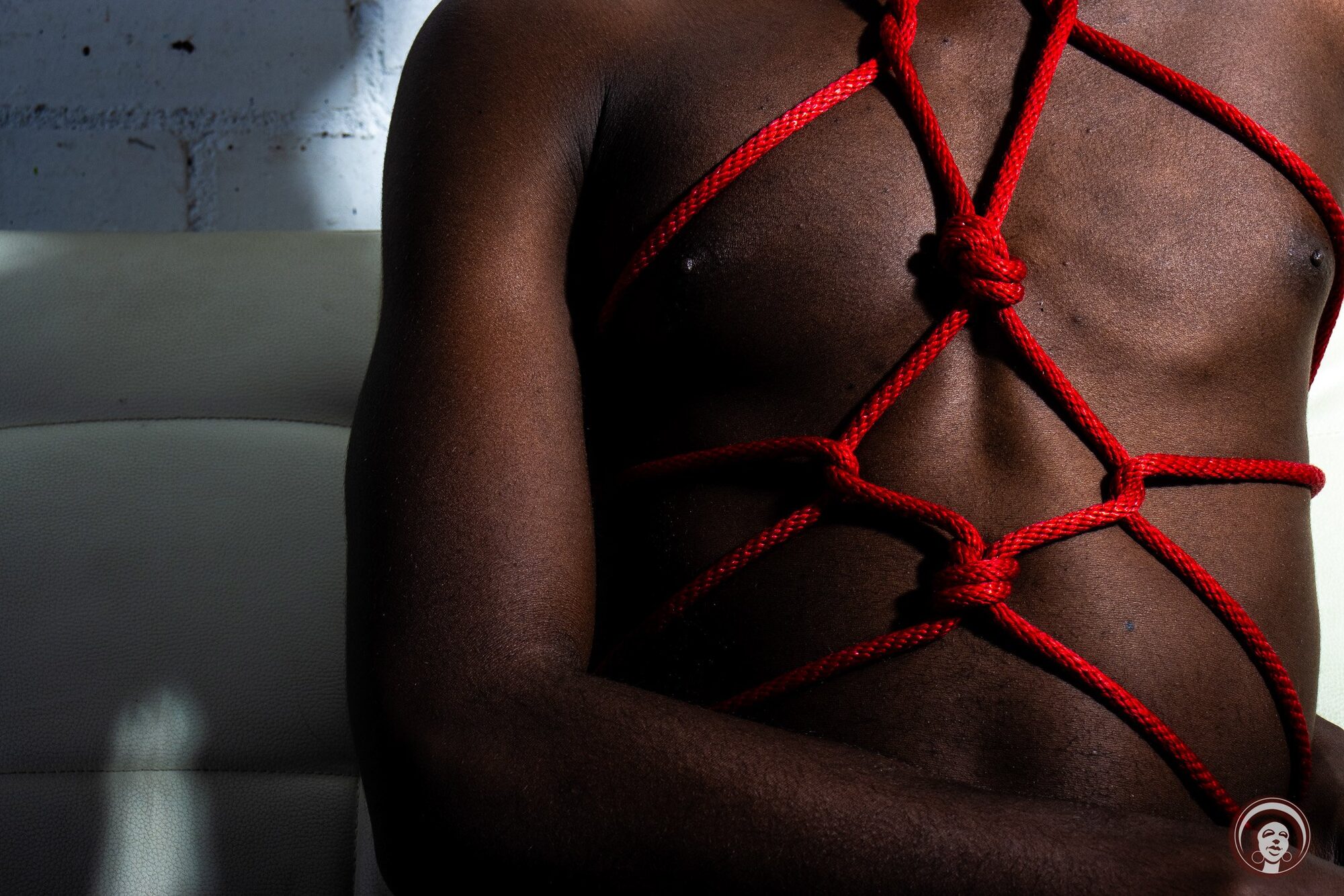
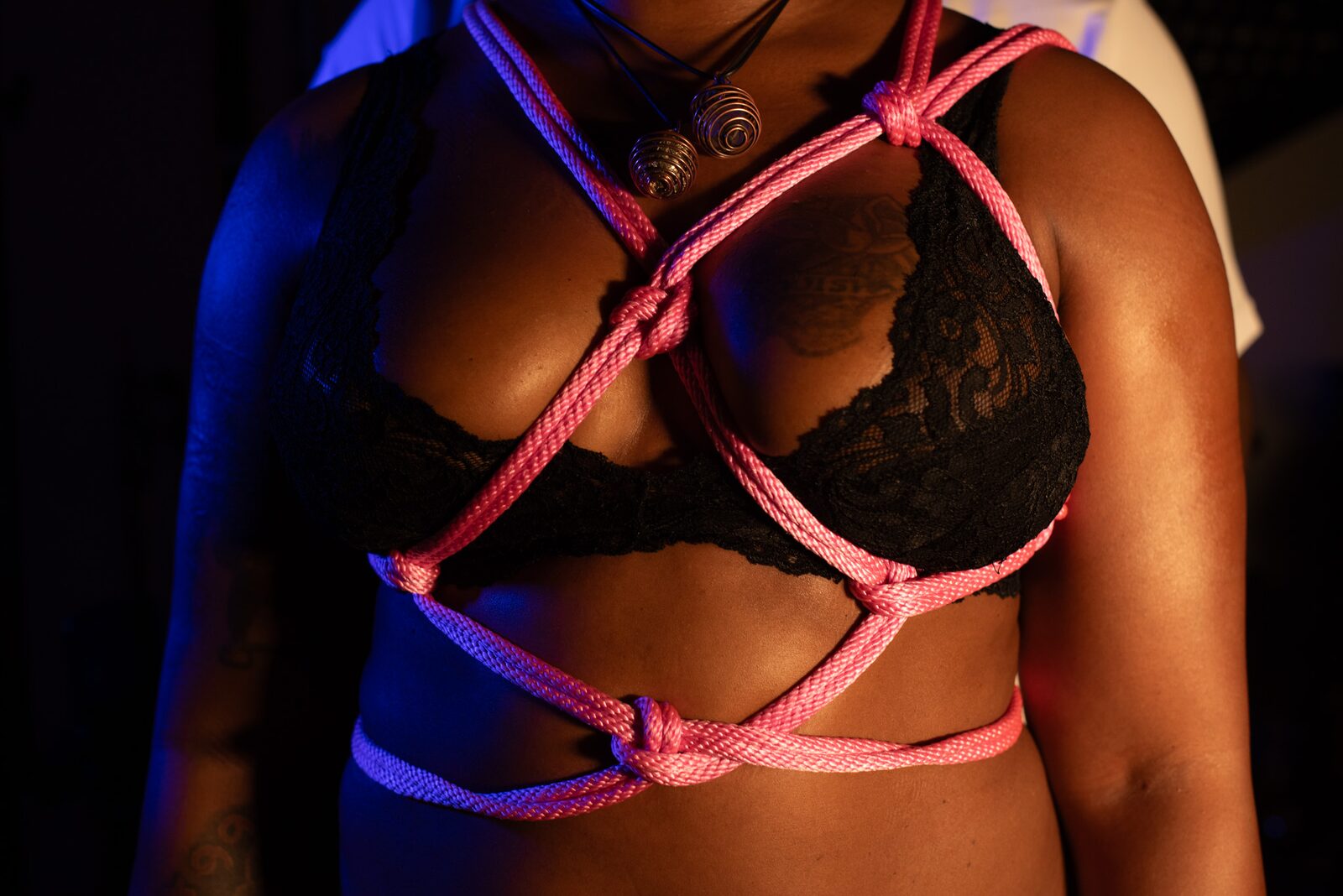
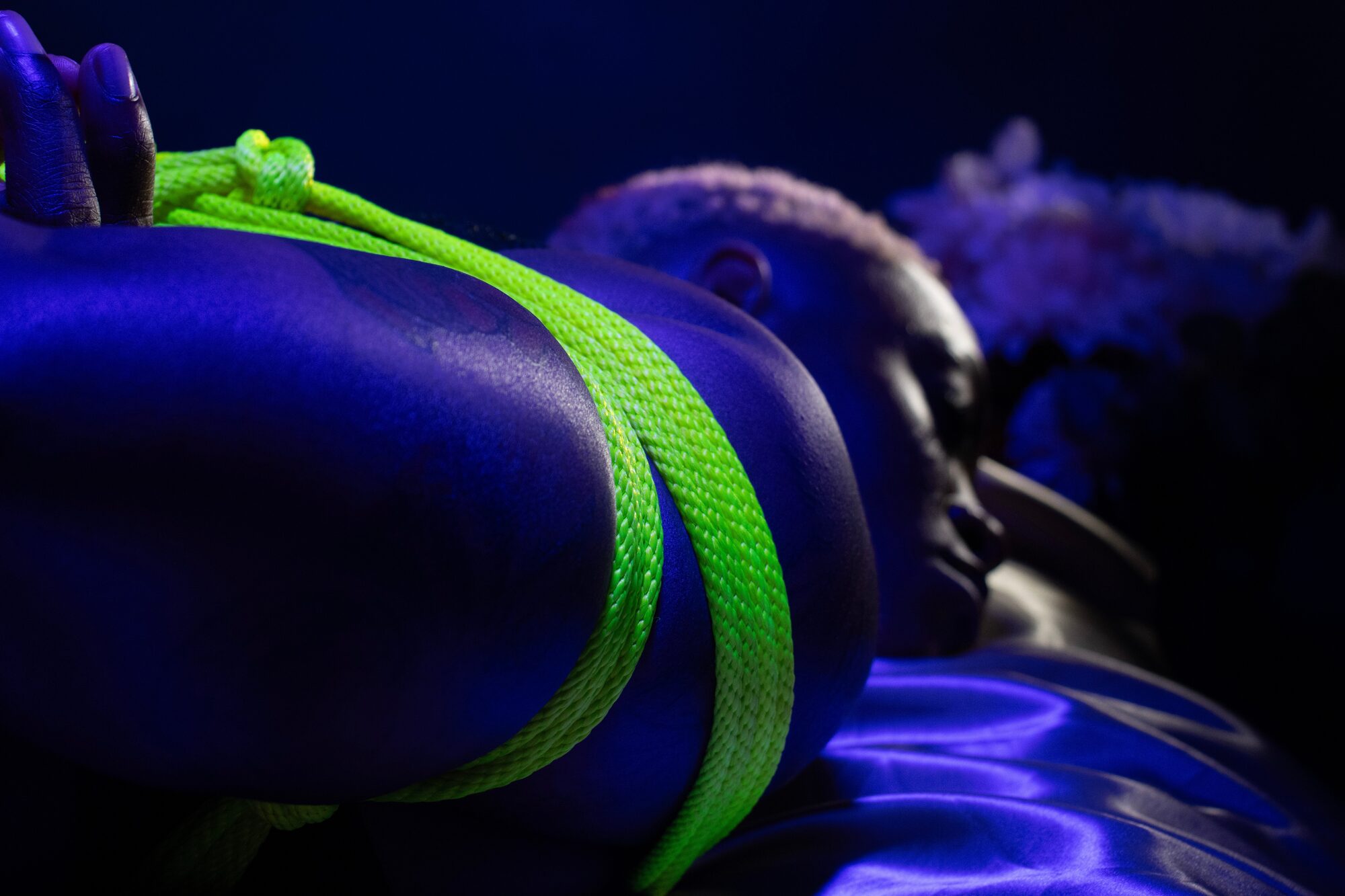

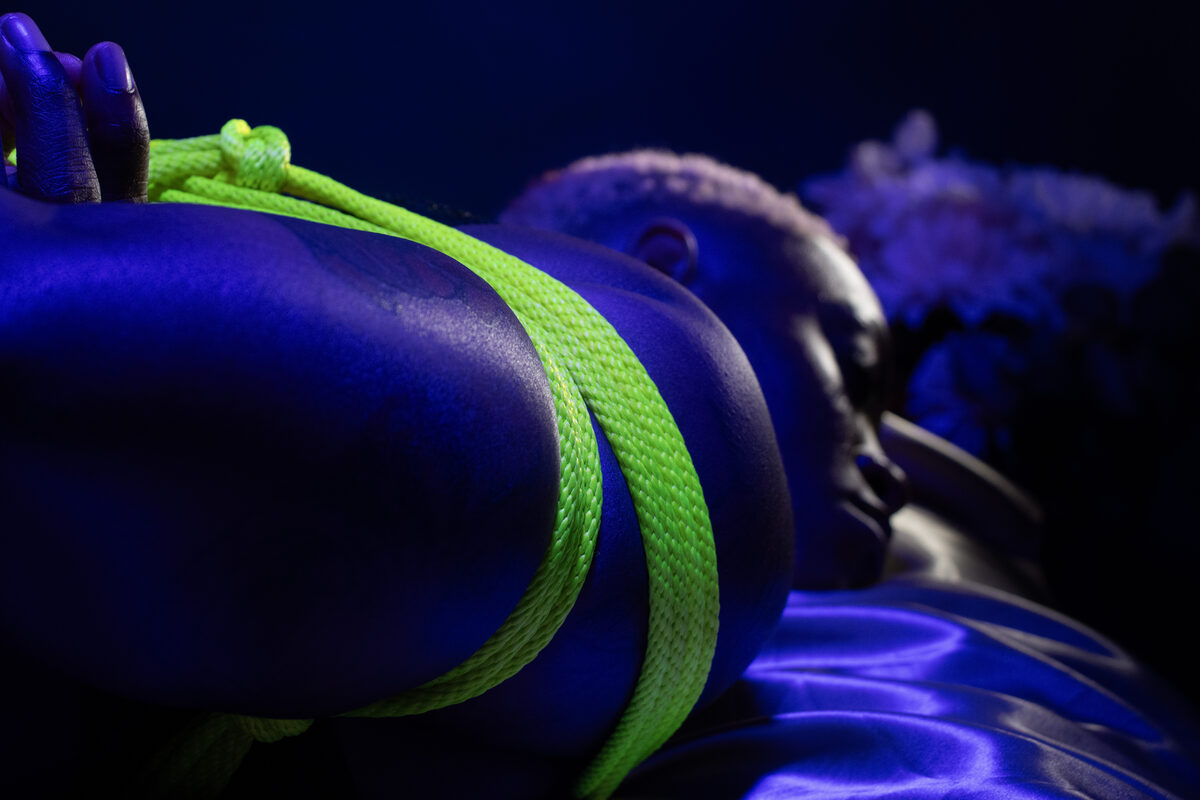
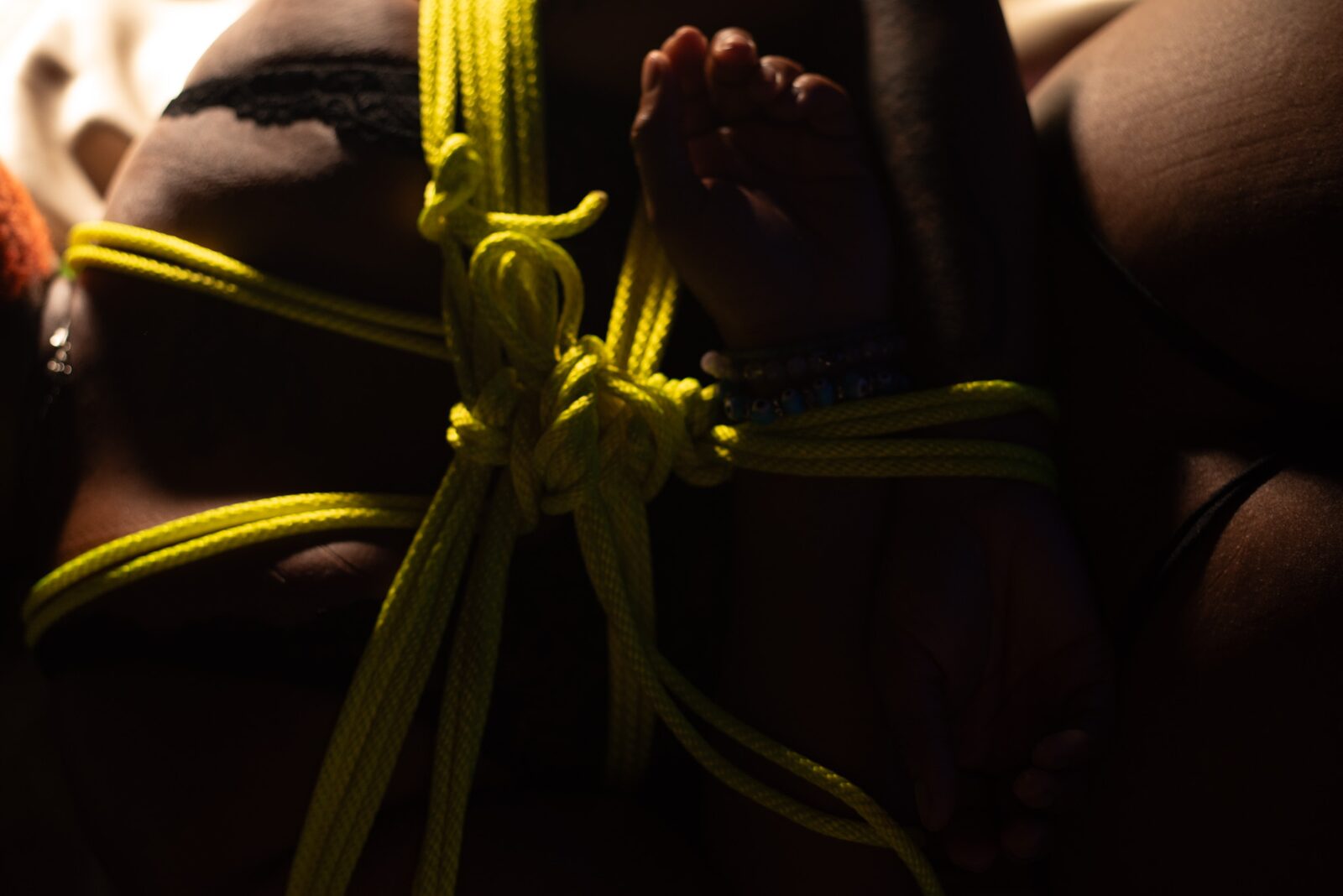
Tap any clip to watch it full size.

Negotiation
Negotiation is a ceremony, and it happens before the rope is ever drawn. It's a roadmap for the journey. It is not a shield that guarantees the outcome. Do it with clarity and intention, and carry one rule above the rest.
Rushing is The Biggest Risk.
The Philosophy Behind the Rope, by CraigJustCraig
Slow down. The whole encounter is on the table, and you negotiate the unseen parts on purpose, because the unseen is where people get hurt. Cover all of it.
The two of you carry different weights into that conversation, and naming them out loud is part of the ceremony.
The Guide carries a heavy burden. You become the shepherd, the custodian, the architect, the warden of someone's submission. That weight is real, and it belongs on the table before you tie.
The bottom carries the burden of advocating for themselves with knowledge, because their life is on the line. That weight is just as real, and it belongs on the table too.
This is the same negotiation our forms flow walks you through in writing. Use it. Put the conversation on paper before you put rope on a body.
Vetting
Negotiation tells you what the scene will be. Vetting tells you whether this person belongs in the circle at all. It's screening, and it protects the work from chaos, conflict, and drama. Access to this space is earned. It is never simply granted.
I vet for two things. Alignment and capacity.
If someone comes into the space without intention, honesty, or readiness, they get removed. Not out of malice. Out of respect and protection for the work. Alignment matters more than enthusiasm. Seek people whose purpose moves the same direction yours does.
I vet to make sure a person has the capacity and readiness to endure the work. This practice demands accountability, emotional maturity, and the ability to endure challenging, transformational work. If someone struggles to say no, or struggles to say yes, they are not ready.
Readiness isn't a vibe. It shows up in tangible actions. Here are the six I watch for.
- Do they express preferences, instead of just agreeing with whatever you offer?
- Do they ask clarifying questions during negotiation?
- Do they use stop signals confidently when they need them?
- Do they give you real feedback during aftercare, or just tell you it was great?
- How do they handle disappointment when a no lands on them?
- Do their words and their actions align over time?
Run those six honestly. A person who can do them is a person who can hold the work. A person who can't, isn't ready yet, and tying them anyway is how you both get hurt.
Yes & No
When someone gives you a yes, treat it as what it is. A sacred oath. An invocation.
Your consent is your signature.
The Philosophy Behind the Rope, by CraigJustCraig
Once that commitment is made, you are accountable. The willingness to choose accountability, even for the consequences of chasing the flame, is the whole game. If you flinch, hesitate, or lie to yourself, you will be broken. That's not a threat. It's the physics of the thing.
And the no carries just as much weight. When someone says no, they're telling you they have a need that stops them from saying yes to this. The capacity to say a real no is what makes the yes worth anything, because boundaries create the container within which yes is authentic. Saying no is what turns yes into a choice. A person who can't say no can't truly consent to anything. Protect their no like you protect their yes.

Accountability
Once consent is given, it stops being a flirtation. It becomes a binding decree.
Once you kneel at the altar, you are accountable. If you choose to dance in darkness, step into the abyss, and merge with the Guide's will, you accept the consequences too. If you chase the flame, you don't get to be shocked when it burns. That's true for the bottom who said yes. It's true for the top who accepted the yes. Accountability runs both directions across the rope.
And then there's the hardest truth in the whole practice. The one I make sure every person I tie has heard before we begin.
You Can Do Everything Right and Still Cause Harm.
The Philosophy Behind the Rope, by CraigJustCraig
Intent does not erase impact. Procedure does not guarantee safety. You can run a clean negotiation, vet well, check circulation, sensation, and motion all night, and still hurt someone. The body is the body. This is exactly why the anatomy guide ends where it does. Every safety check is a false-negative test. You can pass them all and still take an injury.
So real accountability is not the absence of harm. It's what you do when harm shows up anyway.
A Framework for Repair
When something goes wrong, conflict is met with discipline. I treat discipline as a mirror and a call to balance. It is not a weapon, and it is not shame. Here's how repair runs.
- Acknowledge the harm, even when it wasn't intended. Especially when it wasn't intended.
- Stay open to feedback and to repair. Defensiveness is the door slamming on the work.
- Address the dispute through structured dialogue, with the focus on healing and understanding. Not on who wins.
- Treat the conflict as information. A warning sent by spirit. An opportunity for growth, which is what every hard thing in this practice eventually becomes.
- Take restorative steps. If a mandate was violated, you repair the harm and move toward reconciliation.
- Hold the line on the severe stuff. Repeated or serious violations end in expulsion, because the integrity and safety of the community come first.
Hold this last part close, because it's the heart of it. Accountability is not exile. Harm is a call to gather, not to scatter. The whole structure exists so that people can fail, repair, and stay in the work. That's what a covenant is for.

Consent Is a Skill You Practice
I want to land this somewhere useful, because consent gets scattered everywhere and mastered nowhere. It shows up as one doctrine on the philosophy page, one step in what to expect, a bullet list in the anatomy guide. All true. All partial.
Here's the whole of it in one place. Consent is a skill, and you build it the way you build any skill in this work. Through reps, attention, and honesty.
You practice naming intent before you draw the circle. You practice negotiating the unseen instead of rushing the seen. You practice the six vetting tests until reading readiness becomes second nature. You practice receiving a no without making the other person pay for it. You practice acknowledging harm before your ego talks you out of it.
Do that long enough and consent stops being a gate you pass through and becomes the ground you stand on. The container gets strong. And a strong container is the only thing that makes the deep work possible, because surrender is only safe inside a structure that can hold it.
This is the Covenant of Safety. A fiercely guarded structure. A doctrine of flesh and flame that lets a person surrender to the truth within and reach liberation.
Every tie sacred. Every moment intentional. Every journey transformative.
Build the container. Then do the work.
Ashe.
Resources
Consent is the container. Here's where to take it from here.
Keep reading
- Rope and Anatomy: A Somatic Guide · the companion to this one. Consent is the container; anatomy is what's inside it.
- The forms and negotiation flow · turns this chapter into the actual conversation you have before a scene.
- What to Expect · the arc, the safe word, and the aftercare plan.
- Philosophy · consent as the Law of the Altar, in full.
Get the long version
- The Philosophy Behind the Rope by CraigJustCraig · how the body speaks the language of the soul.
- Come to a class · if you'd rather learn it in the room.
One more time, because it matters. Consent is the Law of the Altar. Build it before you draw the circle. Tend it the whole way through. And when you cause harm anyway, gather. Don't scatter.